Design Start-Up
An internship named for the ambition to practice in your own name.
Design Start-Up is a 3- or 6-month, in-office internship at Studio Athenos, Jaipur. Architecture and interior design students work on live hospital, residential, and institutional projects — from working drawings to site visits, vendor negotiations to client meetings. Each intern documents their experience in a published piece of writing or visual work, under their own name. Applications open quarterly.
Each thing we learn is a tool to learn the next thing.
The alphabet was a tool to learn words.
Words were a tool to learn sentences.
An architecture degree is not the destination —
it is the tool that allows you to keep learning.
Every designer carries a quiet ambition — to work in their own name. Some start their own practice immediately. Others spend years learning first. The path varies. The ambition rarely does.
Design Start-Up is named for that ambition. It is an internship — but also a first encounter with what running a practice actually means. Not just design. Project planning, client handling, cost reading, presentation, studio workflow. We find what each student is naturally good at and develop that specifically. You leave with a clearer picture of the path you want to take — employee, partner, or founder. Not by accident. By choice.
Six Modules
This is what architectural practice runs on. Everywhere. Always.
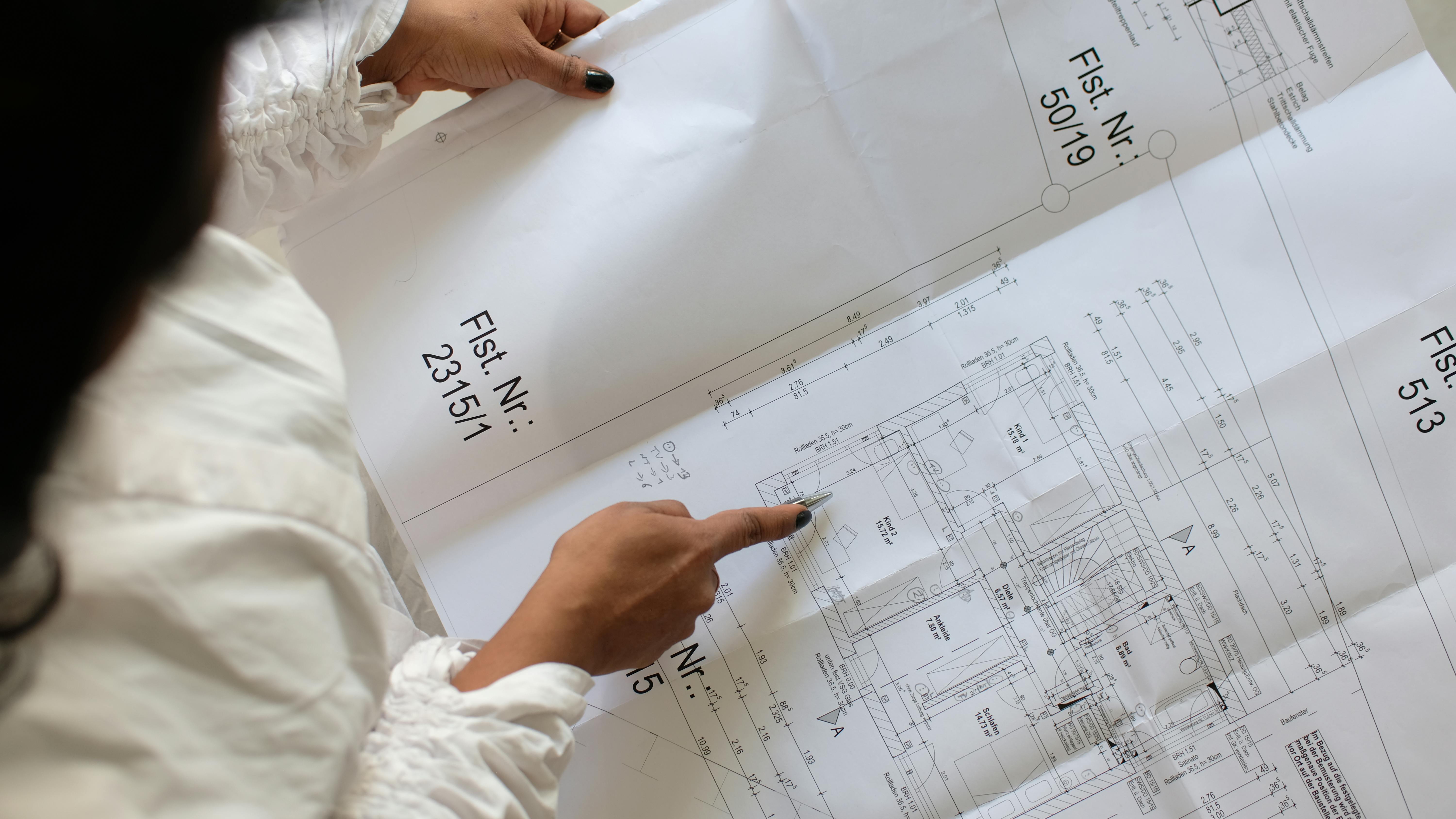
Technical Drawing & Site Understanding
A drawing is a commitment. To a dimension, a material, a sequence of construction.
- Working drawings — from concept to buildable
- Services coordination — electrical, plumbing, HVAC basics
- Reading a site — what the drawing doesn't tell you
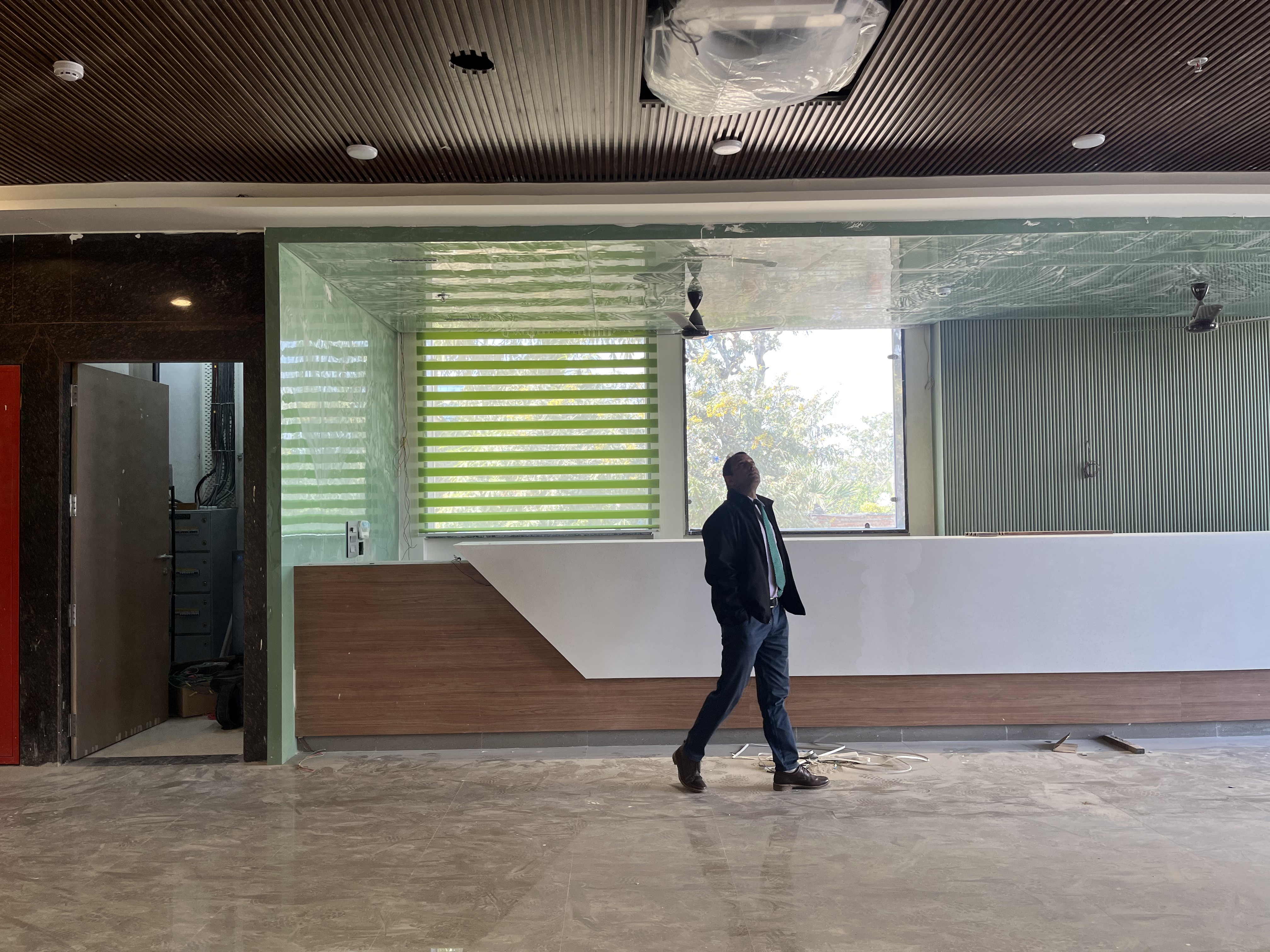
Materials, Vendors & Execution
Material knowledge lives in the market, not the catalogue.
- Material vocabulary built on market visits, not catalogues
- Talking to vendors — asking the right questions, getting real answers
- Practical problem-solving when site contradicts drawing
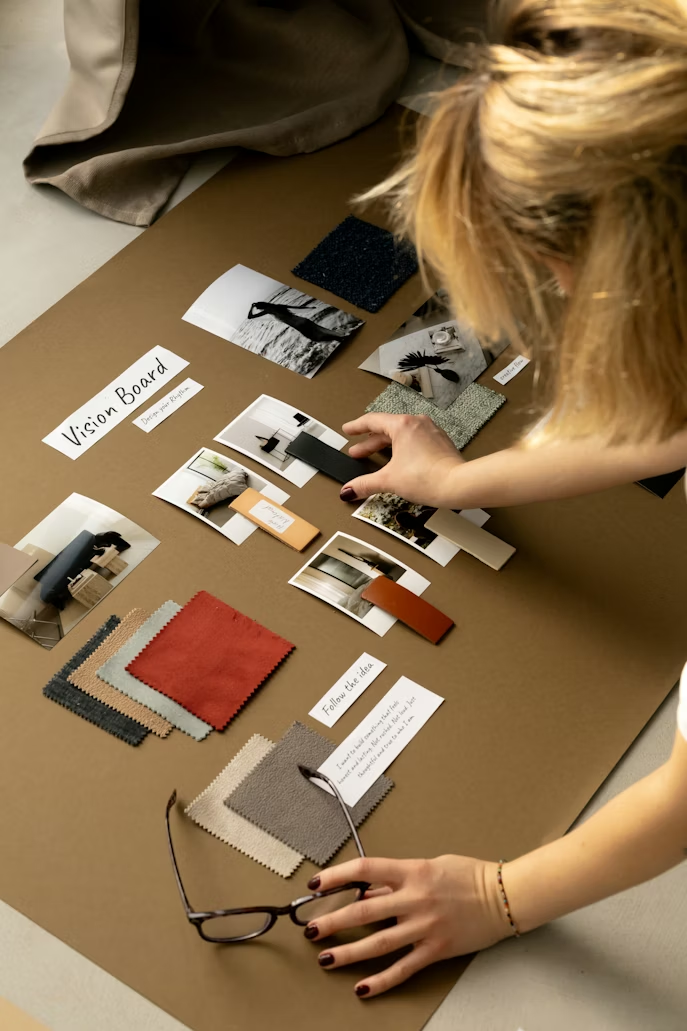
Presentation, Communication & Publishing
A design that cannot be communicated cannot be built.
- Moodboards, SketchUp models, AI-assisted rendering
- Presenting work — narrative first, visuals second
- Prompting AI tools effectively for design workflows
- Documenting your internship — published work before you leave
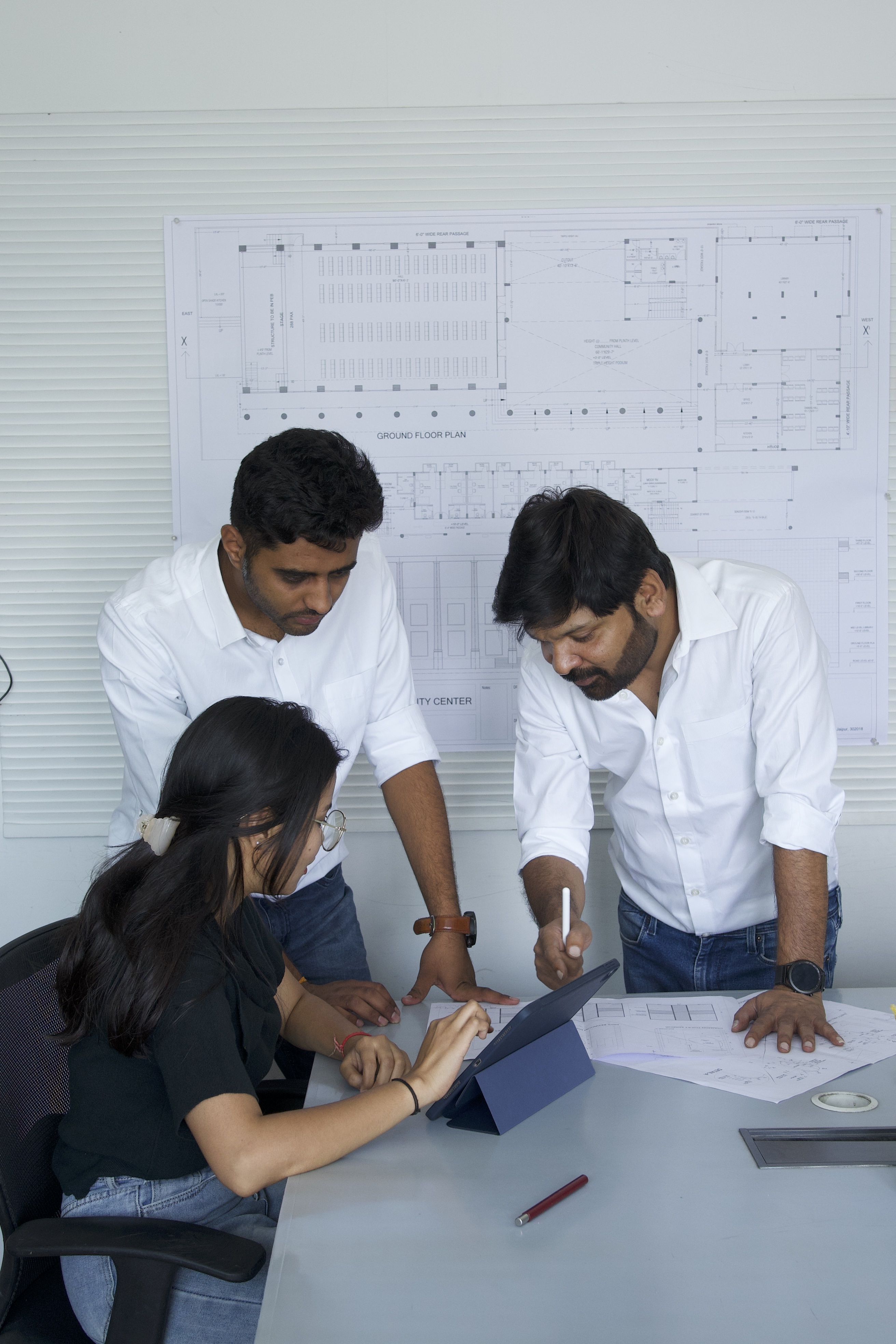
Client Communication & Professional Behaviour
The person writing the cheque sees the building differently than you do.
- Educated clients don't want to be explained to — they want to be shown
- How to present a design decision without defending it
- Reading the room — knowing what the moment needs

Project Planning & Workflow
A concept is not a project. The difference is sequence.
- Turning a concept into a sequence of decisions
- Milestone planning on live projects
- File management and documentation that holds up on site

Budgeting & BOQ Fundamentals
Every line you draw costs something.
- Cost awareness from day one — not as an afterthought
- Basic estimation logic
- Why material selection is a financial decision, not just an aesthetic one
Jaipur as Field
The city is part of the programme.
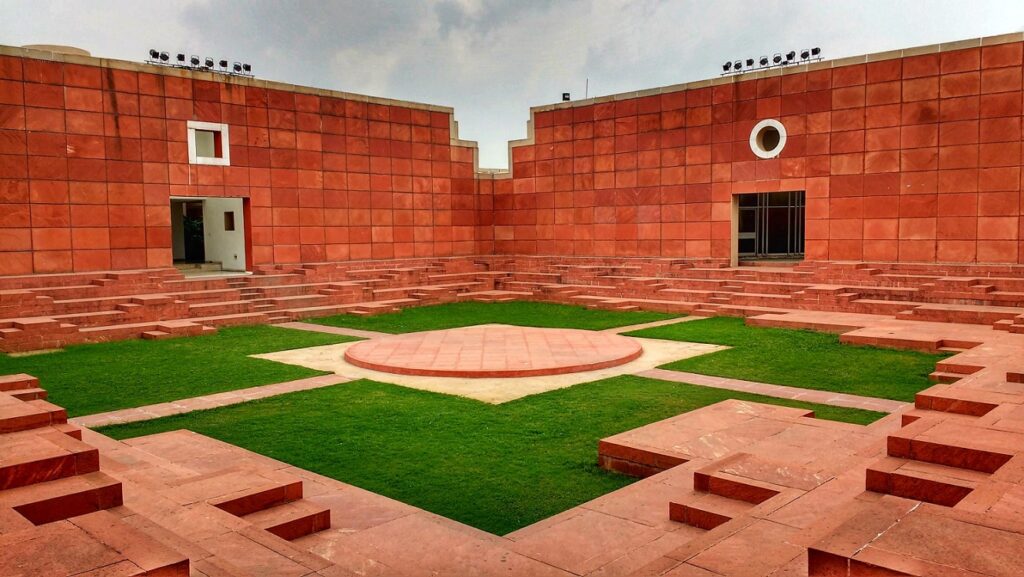
Five days a week in office. The sixth day is an observation day. You choose where to go — the walled city, Jawahar Kala Kendra by Charles Correa, the stepwells at Abhaneri, Udaipur, Jodhpur, Jaisalmer. The only rule: submit a short report with photographs of what you saw architecturally in the next week.
Not tourism. Architectural observation with accountability. The city teaches what no drawing can.
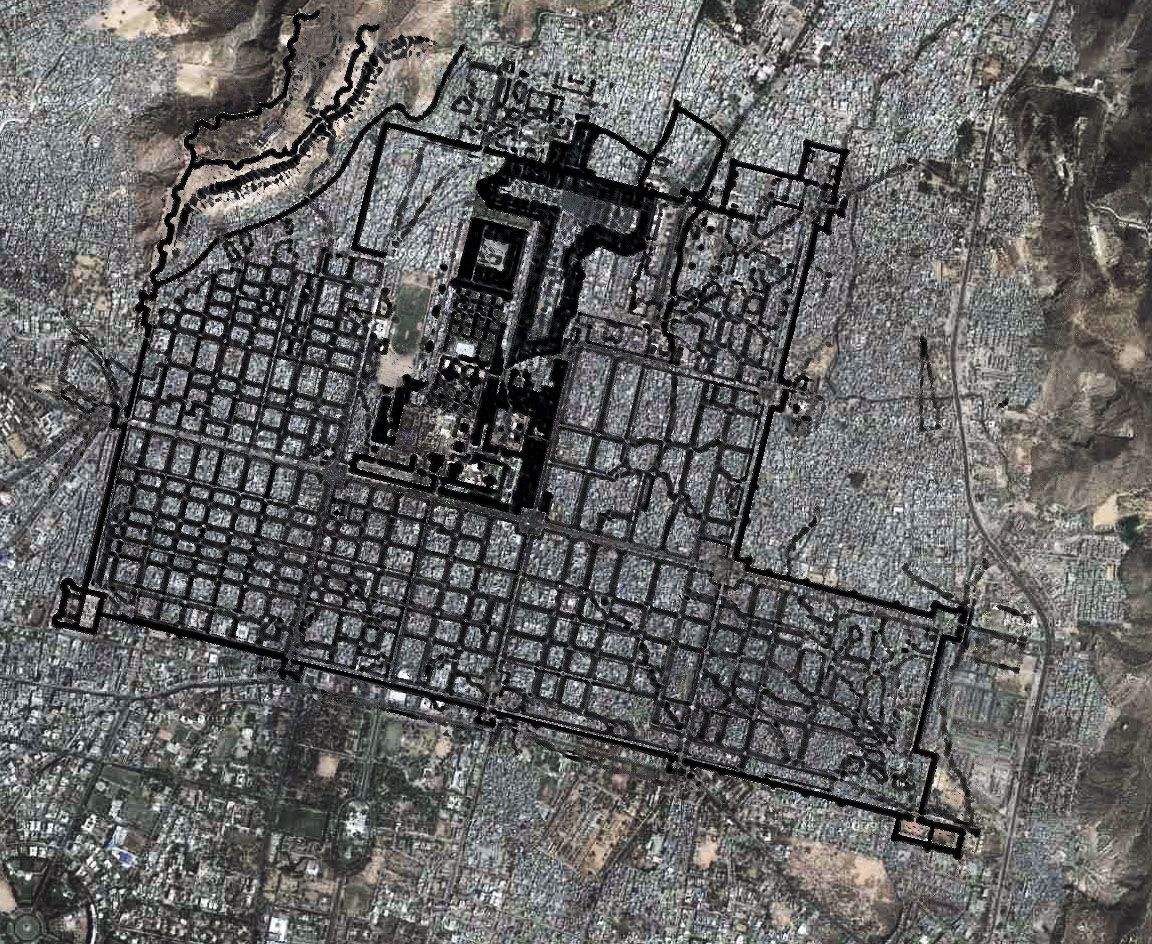
Jaipur was founded in 1727 by Maharaja Sawai Jai Singh II — one of the first planned cities in India. Designed by Vidyadhar Bhattacharya, the city follows a nine-sector grid derived from Vastu Shastra, oriented to climate and cardinal direction simultaneously. Hawa Mahal's 953 windows are a climate device, not a facade. Panna Meena ka Kund inverts the relationship between ground and water. The bazaar streets of Johari and Tripolia were sized in 1727 to control light and airflow. The mohalla havelis cool themselves through courtyard geometry that no mechanical system has improved on. None of this is in a textbook. All of it is within walking distance. This is the classroom.
Published Work
Before you leave, you document your internship. An essay, a site observation, annotated drawings, a photographic series — whatever form best captures what you experienced. Published here, under your name, with a view counter. If a drawing you contributed to gets built after you leave, we send you the photographs.
Every design has a story before it has a drawing. The ability to tell that story — to make someone else see a space that does not yet exist — is not separate from the ability to design it. It is the same skill. The piece you write before leaving is the test of whether you actually understood what you experienced here. Not for the reader. For yourself. If you cannot tell the story of what you observed and why it matters, you did not fully observe it. That is why we publish it. Under your name. So the standard is real.
From the Studio
Frequently Asked Questions
The programme is named Design Start-Up precisely because you are unprepared. College teaches you to think about space. It does not teach you to run a practice. This is the bridge. You are not expected to arrive knowing how to handle a vendor, read a BOQ, or manage a client. You are only expected to be observant and serious when these situations happen in front of you.
We look at previous work — college projects, personal work, anything you have made. Sometimes the work is genuinely good. Sometimes it is laboured. Sometimes it is just confident. All of it tells us something. We are not looking for a finished standard. We are looking for how you think through a problem and what you choose to show us about yourself.
The duration is largely determined by your university's curriculum requirements. Apply for what your programme allows. We will tell you honestly whether the time is enough for what you want to get out of it.
Mistakes happen. Site problems are part of the job. What matters is not the mistake — it is what you do next. You will learn to look for the solution, not sit with the error. You will also learn why good documentation, clear checklists, and disciplined workflow exist — not as bureaucracy, but as the system that catches the silly mistake before it reaches the site.
Five days a week in office. The sixth day is not a holiday — it is an observation day. You visit Jaipur, document what you see architecturally, and submit a short report with photographs before the next working day. You choose where to go — the walled city, Abhaneri, Jawahar Kala Kendra, or any city within reach. The only rule is that you look carefully and write honestly about what you found. This day is part of the programme, not a break from it.
Accommodation is arranged independently. We do not provide housing, but we can suggest affordable options near the studio. Jaipur is a practical city to live in — costs are reasonable, the city is safe, and most of what you need is within reach of the studio location.
Yes. Students from any state or institution can apply. The programme has no geographic restriction. If you are serious about the work, location is not a barrier.
For most architecture and interior design programmes in India, yes. We provide official documentation of your internship duration, work undertaken, and completion. Confirm with your institution before applying — requirements vary by university.
Yes. But this page does not reduce the programme to a figure. What is being offered here is not primarily a monthly amount — it is proximity to live hospital and residential projects, real decisions, real clients, real sites. The stipend supports your presence. The programme builds your foundation. The two are not the same thing.
Not automatically. A Letter of Recommendation is earned — by remarkable work, serious intent, and a demonstrable shift in how you approach architectural problems. It is not given for attendance or completion. If you do work that demands to be spoken for, it will be. If not, the internship can still have been valuable. We do not pretend all outcomes are equal.
That is a valid outcome. The programme is not designed to produce a fixed answer. It is designed to replace vague ambition with clearer understanding. Some students leave wanting their own office more strongly. Others realise they need more years inside established practice first. Others discover their strengths lie in a role they had not considered. None of that is failure. The real failure would be to make those choices blindly.
Bring your college work — physical or digital. Bring a sketchbook. Bring curiosity about how buildings actually get made. Everything else will follow from what you encounter here.
International Students
Design Start-Up is open to students from any country. The programme is conducted entirely in English. Studio Athenos can provide official documentation to support internship visa applications where required. Jaipur is a practical city to live in — accommodation near the studio typically costs between ₹6,000 and ₹10,000 per month. The work here — live hospital construction, NABH-compliant facilities, institutional and residential projects in active execution — is not easily accessible to interns in larger offices anywhere. That is what makes Jaipur worth six months.
For Faculty & Placement Coordinators
Design Start-Up is structured to complement institutional internship requirements across architecture and interior design programmes. Students complete documented work on live projects, produce published work under their byline, and receive a formal certificate of completion. Letters of Recommendation are provided selectively, based on the quality of work demonstrated during the internship. The programme fulfills standard duration and documentation requirements for B.Arch and interior design internships across most Indian universities.